


Articles
The Importance of Social Connections Among Older Adults: Combating Isolation and Loneliness
- Catégories : Private senior homes, Senior home living
- Estimated Reading Time : 11 minutes
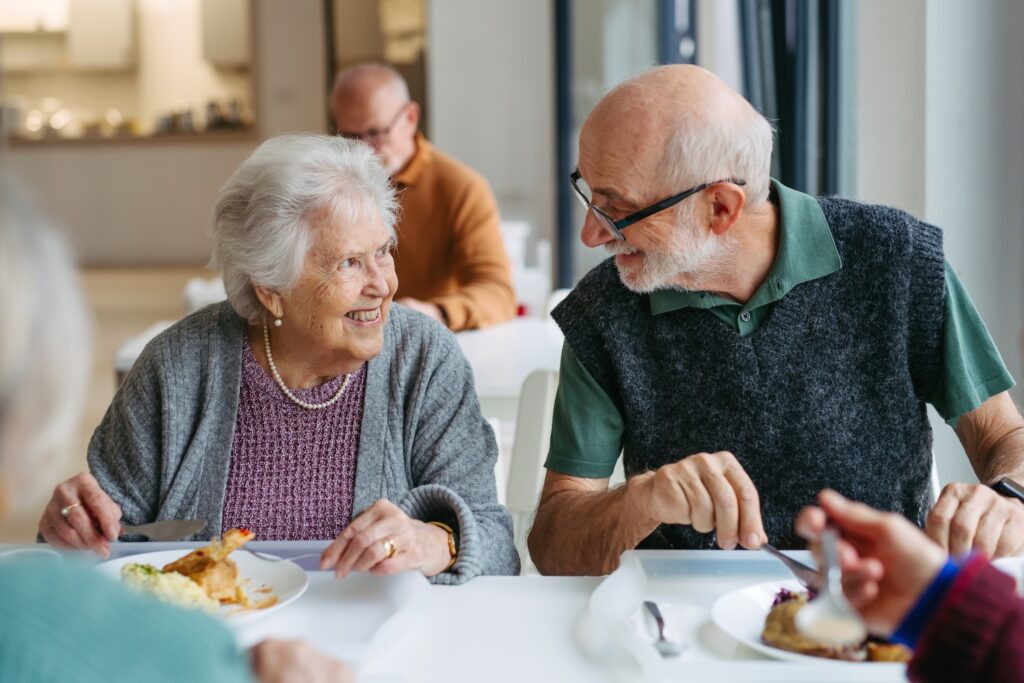
A landmark meta-analysis conducted by researcher Julianne Holt-Lunstad shows that social isolation is associated with a 29% increase in the risk of mortality, loneliness with a 26% increase, and living alone with a 32% increase. The Quebec National Institute of Public Health (INSPQ) points out that isolation and loneliness are common among older adults and have harmful effects on physical and mental health. Here’s how to recognize the warning signs and maintain an active social network.
Social Isolation and Loneliness: Two Distinct Realities
Social isolation and loneliness are not synonymous, and confusing the two often leads to overlooking the problem. Social isolation is an objective and measurable reality: few social contacts, limited social participation, and a restricted social network. Loneliness, on the other hand, is a subjective experience—the painful feeling of a gap between the relationships one desires and those one actually has. An older adult may live in a group setting, such as a retirement community, and still feel deeply lonely. Conversely, a person who lives alone by choice but remains engaged in their community is not necessarily isolated. This distinction is crucial for family caregivers: it is not the number of visits that provides protection, but the quality and meaning of the relationship.How loneliness affects the body—and not just one’s morale
Prolonged loneliness acts as a low-intensity chronic stressor. Physiologically, it is associated with higher blood pressure, increased inflammatory markers, and weakened immune function. Cognitively, the data is just as telling: a meta-analysis found that the risk of developing dementia is 1.58 times higher among people experiencing a high degree of loneliness than among those with a social network. Conversely, social connections provide tangible protection. According to the research by Holt-Lunstad, people with stronger social relationships had a 50% higher probability of survival. Social connections also improve adherence to medical treatments and reduce the length of hospital stays. This is where isolation intersects with two other issues we address elsewhere: an active social network nourishes cognitive reserve and, by keeping older adults active in their community, indirectly contributes to fall prevention.Recognizing the Warning Signs of Isolation
Family members rarely notice isolation all at once: it creeps in gradually, following a bereavement, the loss of a driver’s license, or the onset of a physical limitation. Watch for these signs:- Repeatedly turning down invitations, loss of interest in activities once enjoyed
- Neglecting personal appearance, housekeeping, or meals
- Reversed sleep patterns, television left on constantly
- Self-deprecating remarks (“I’m in the way,” “I’m no use to anyone anymore”)
- Stopping long-standing religious, community, or recreational activities
Five Strategies for Maintaining an Active Social Network
1. Anchor the connection in a routine, not in spontaneity
A call every Sunday at 10 a.m. is better than a visit “whenever we can.” Regularity creates anticipation, and anticipation gives structure to the week.2. Focus on meaningful activities
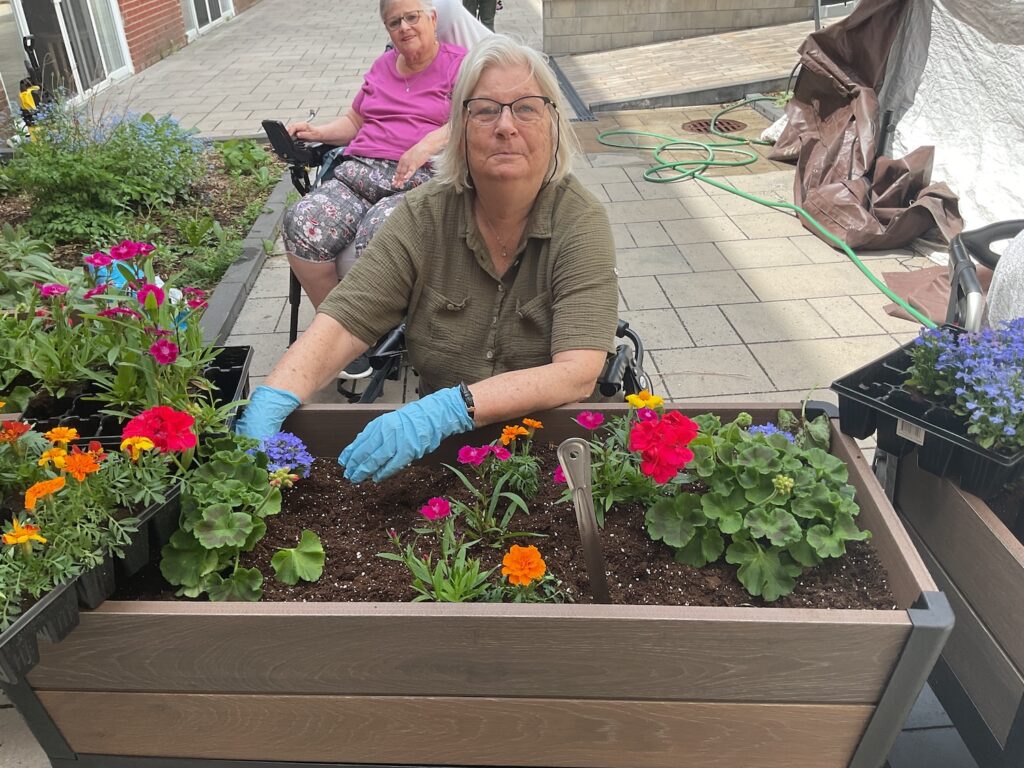
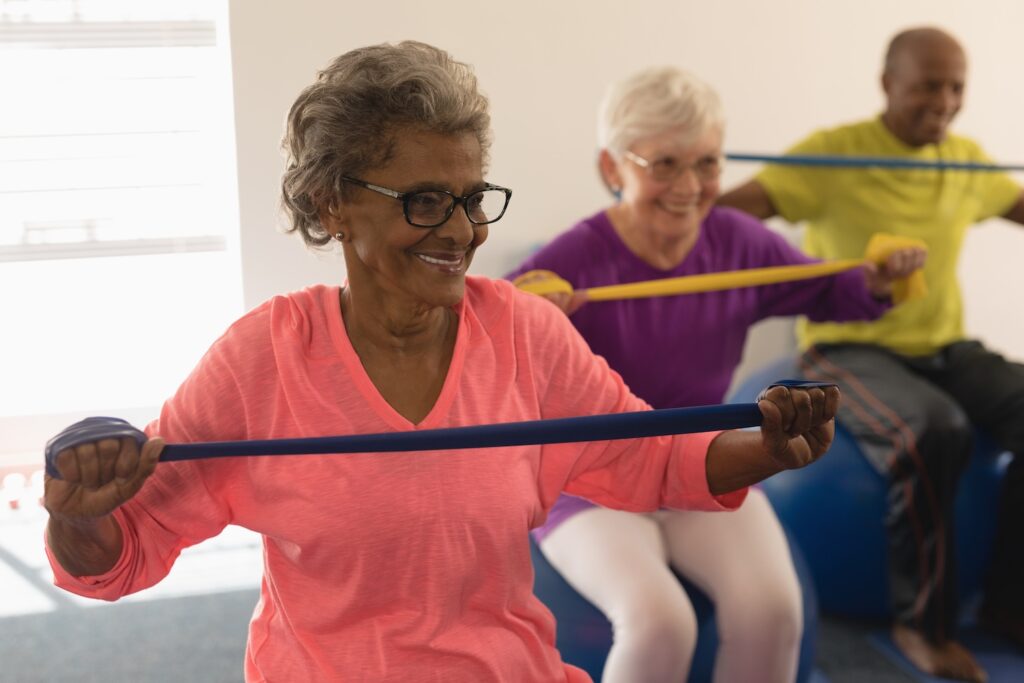
A book club, a choir, a card club, or a cooking workshop offer much more than just an outing: they create a role, an expectation, and a reason to show up. A book club is particularly valuable because it combines cognitive stimulation, self-expression, and a sense of belonging to a group.3. Maintain a Contributing Role
Sharing a recipe, helping a grandchild with homework, or knitting for a charity: contributing protects self-esteem far better than receiving.4. Embrace Technology Without Imposing It
A weekly video call with distant grandchildren is worth the effort of helping your loved one set it up. But the screen complements human contact; it doesn’t replace it.5. Explore community resources in the neighborhood
Organizations such as FADOQ clubs, Les Petits Frères, or community centers for seniors offer friendship matches, volunteer transportation, and group activities. Quebec, in fact, has a solid infrastructure: since 2009, more than 1,000 municipalities, RCMs, and Indigenous communities have benefited from the Senior-Friendly Municipality (MADA) program, reaching 93.5% of Quebec’s population.The Role of the Caregiver: Presence Rather Than a Solution
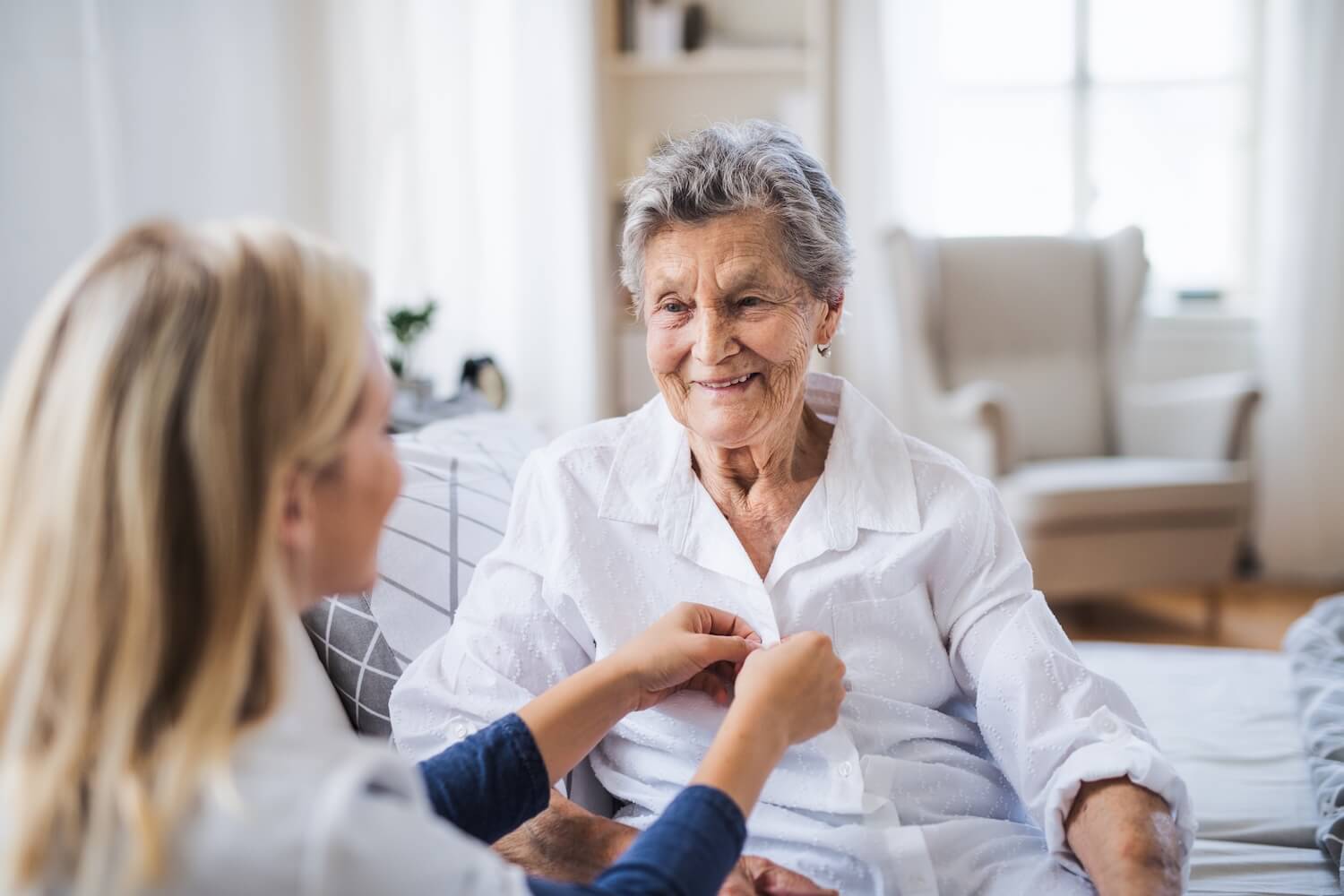
When faced with a senior who is withdrawing, there’s a strong temptation to keep suggesting activities. However, isolation is rarely resolved by a busy schedule. It’s resolved by listening in a way that validates their emotions: “It must be tough getting through the days now that Dad’s gone.” It’s also important to distinguish between loneliness and depression. A general loss of interest, sleep or appetite disturbances lasting more than two weeks, or comments suggesting that life is meaningless, warrant a medical consultation. The Info-Santé 811 service is a good first point of contact; the family doctor or CLSC can then refer the person to appropriate psychological support.Note: This article is shared by Mandala Santé for educational purposes. Fostering social connections is an act of care: it protects older adults’ health, dignity, and place in their community.
FAQ: Isolation and Loneliness Among Older Adults
Yes. Holt-Lunstad’s research indicates that social isolation increases the risk of mortality by 29%, loneliness by 26%, and living alone by 32%—a magnitude comparable to other well-established risk factors. Chronic loneliness is also linked to inflammation, high blood pressure, and an increased risk of cognitive decline.
They reduce isolation, without eliminating loneliness. Digital connections keep us connected, but physical presence—a handshake, a shared meal—remains irreplaceable. Digital technology is a bridge to in-person encounters, never a substitute for them.
Mandala Sante's Offerings in Senior Homes :


Articles