


Articles
Adapted Physical Activity: Exercise Accessible to All Seniors
- Catégories : Private senior homes, Senior home living
- Estimated reading time : 11 minutes
Daily physical activity is one of the best ways to combat aging, and it requires neither a gym nor high performance. According to the Quebec National Institute of Public Health (INSPQ), any physical activity is beneficial to health, even if it falls short of the recommended 150 minutes per week, and for older adults, it helps preserve muscle mass and bone density, which directly contributes to preventing falls and maintaining independence. From walking to chair yoga, adapted physical activity (APA) makes movement accessible to everyone, including those with limited mobility.
What is adapted physical activity?
Adapted physical activity refers to any form of movement tailored to a person’s abilities, health status, and pace. The principle is simple: it is not up to the older adult to adapt to the exercise, but rather up to the exercise to adapt to the older adult.
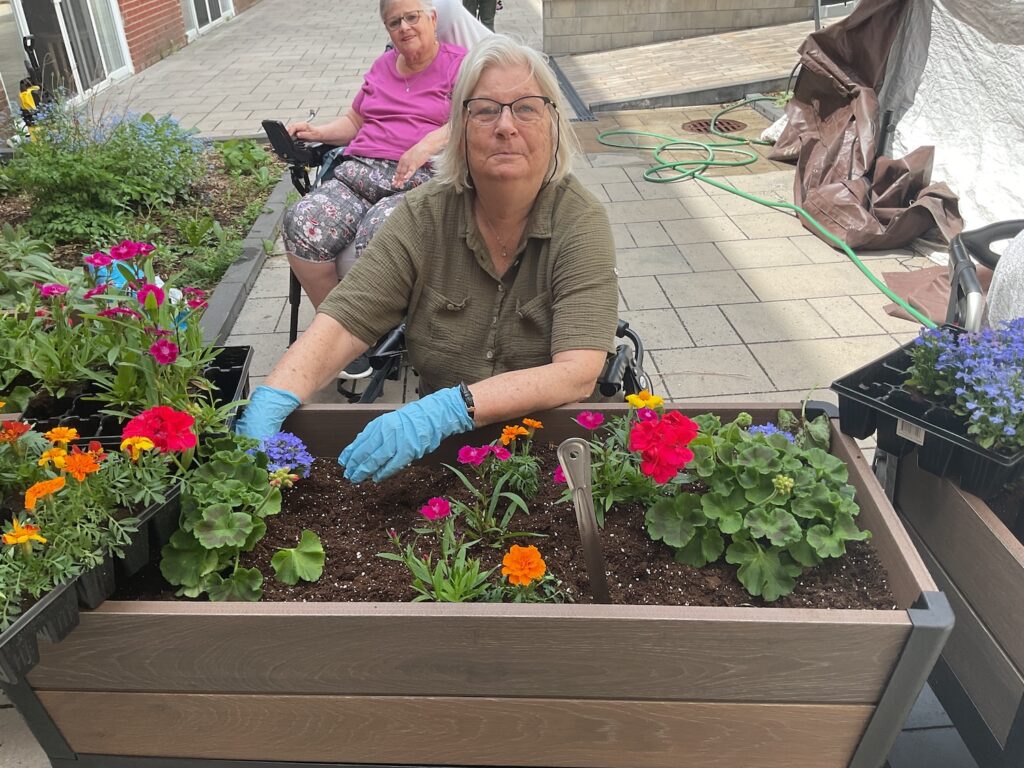
In practice, adapted physical activity can be done standing, sitting, or even in bed. It targets four key areas: endurance (breathing), muscle strength, flexibility, and—most valuable for older adults—balance. There’s no need to meet a performance goal: consistency always takes precedence over intensity.
Why Exercise Makes All the Difference After Age 65
Stronger Bones and Fewer Falls
As we age, bone and muscle mass naturally decrease, which weakens the body and increases the risk of falls. Physical activity slows this process: by engaging the bones and muscles, it helps preserve bone density and strength—two direct defenses against fractures. Exercise is therefore not just good for your physical health: it’s a concrete measure for preventing falls—a topic we also address from the perspective of home safety in our article Senior Home Safety.
Better Protection for Your Mental Health and Brain
The benefits aren’t just physical. The INSPQ emphasizes that physical activity has a positive effect on mental health and psychological well-being, and that it helps prevent or delay dementia. Being active promotes sleep, reduces anxiety, boosts self-esteem, and acts as a powerful natural antidepressant. It’s also a social activity: walking with a friend or taking a group class combats isolation just as much as it combats a sedentary lifestyle—a connection we explore in The Importance of Social Connection.
Activities for Every Mobility Level
- For independent and active individuals. Walking remains the best activity: accessible, free, and effective. Aiming for regular outings—even just 10 to 15 minutes, several times a day—is already very beneficial. Swimming, stationary cycling, tai chi, and dancing round out the picture nicely.
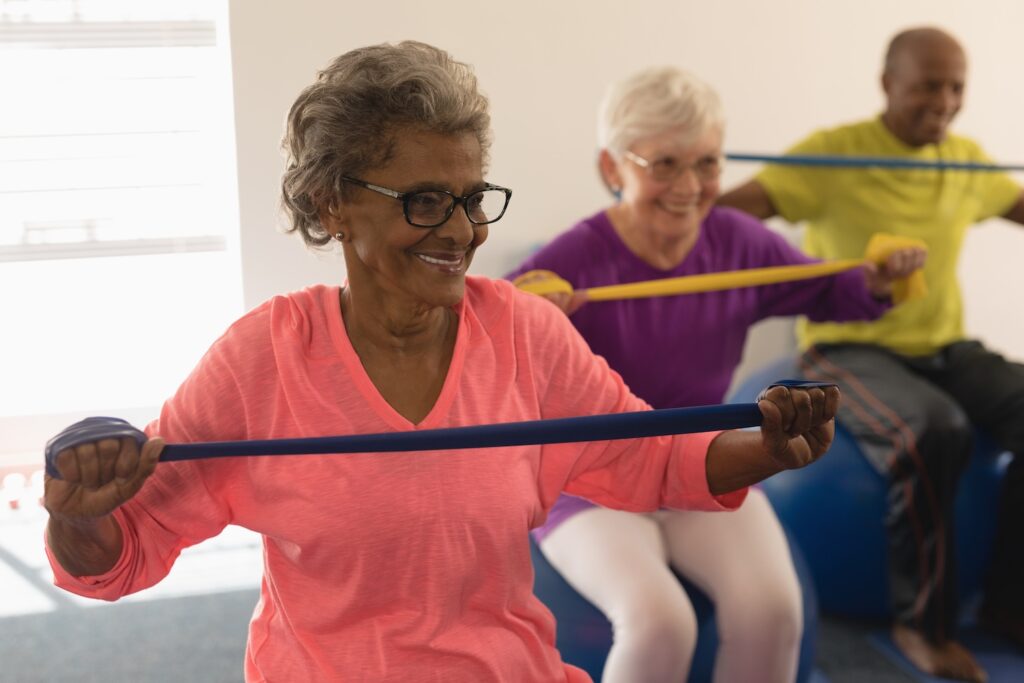
- For people with poor balance. Tai chi is particularly well-known for improving balance and reducing the fear of falling. Exercises performed while holding onto a chair or countertop allow you to safely build leg strength.
- For people with limited mobility. Chair yoga is an ideal starting point: it improves flexibility, breathing, and strength without ever having to stand up. Simple movements, such as raising your arms, circling your ankles, and standing up and sitting back down from a chair, help maintain mobility even for people with very limited mobility.
Two free programs to know about in Quebec
Quebec offers programs designed and validated by physical activity specialists, which are free and accessible throughout the province.
Viactive offers simple and safe exercise routines led by trained peers of the same age group for people aged 50 and older. PIED (Integrated Dynamic Balance Program) specifically targets fall prevention by working on balance and leg strength. Offered by regional public health departments, these programs are often available at community centers and CLSCs.
Getting Started Safely: A Few Guidelines
Before increasing your activity level—especially if you have a chronic condition or after a long period of inactivity—it is recommended that you consult a doctor. Next, here are a few principles to help prevent injuries: start slowly and progress in small steps; warm up and stretch; stay hydrated; wear proper shoes; and, as a golden rule, exercise with a companion or keep a phone within reach when your balance is uncertain.
Sharp pain is a signal to stop. Mild shortness of breath that still allows you to speak, on the other hand, is a sign that the intensity is just right.
Disclaimer: This article is shared by Mandala Santé for educational purposes only and is not a substitute for the advice of a healthcare professional. Before starting a new exercise program, consult your doctor, especially if you have a chronic condition.
FAQ: Adapted Physical Activity for Older Adults
The general recommendation is about 150 minutes per week of moderate-intensity activity, spread out over several days. But the INSPQ points out that any activity counts, even if it falls short of this threshold. For a sedentary person, starting with 5 to 10 minutes a day is already a real improvement.
Oui. Le yoga sur chaise, les mouvements des bras, la respiration profonde et les exercices de préhension entretiennent la force et la souplesse sans avoir à se lever. L'important est de mobiliser ce qui peut l'être, à son rythme.
Mandala Sante's Offerings in Senior Homes :


Articles