


Articles
Hydration And Heat in Seniors: Understanding Thirst Mechanisms to Prevent Summer Risks
- Catégories : Private senior homes, Senior home living
- Estimated reading time : 11 minutes
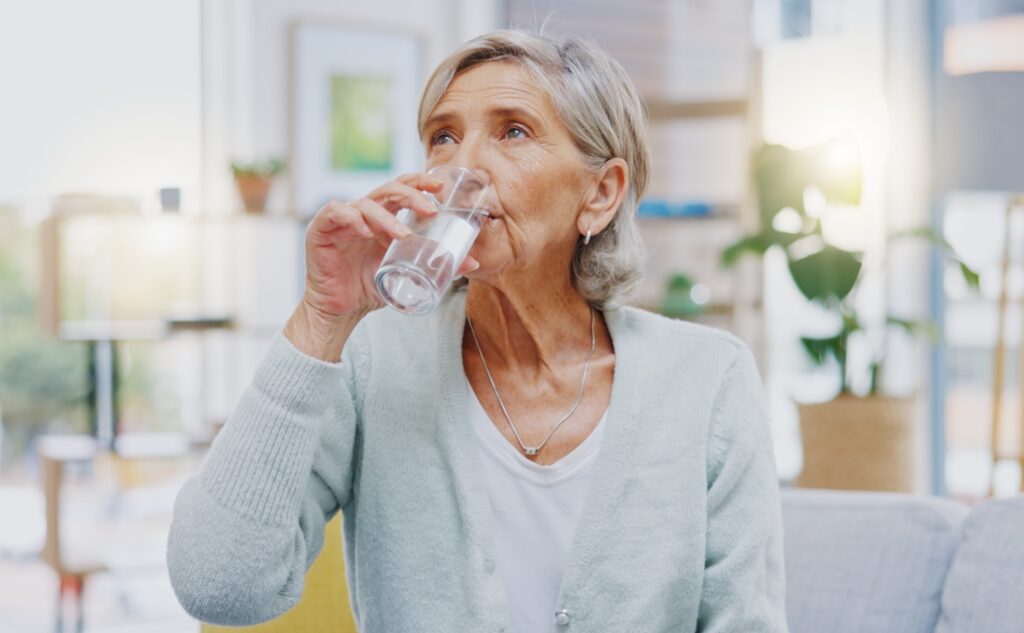
With the arrival of summer, managing hydration becomes a major public health issue for older adults. This educational article highlights the biological reasons why the sensation of thirst decreases with age and explores the risks associated with heatstroke. Discover gentle, practical strategies to encourage optimal daily hydration without imposing excessive constraints, ensuring a safe and comfortable summer for our seniors.
The Thermal Challenges of the Aging Body
The arrival of summer and hot days brings its share of small pleasures, but also imposes a particular physiological stress on the human body. In older adults, this stress is amplified by natural biological changes that alter temperature perception and the management of body fluids.
Hydration should not be viewed as a burden or strict medical supervision, but rather as a daily act of comfort and vitality. For families and caregivers, understanding how seniors’ bodies react to heat is the first step toward taking effective preventive measures, while respecting each person’s pace and preferences.
Why does the sensation of thirst fade?
One of the most persistent beliefs is that the body signals a need for water as soon as it becomes dehydrated. In adults, this warning mechanism works very well. In older adults, the situation is quite different due to neurological and hormonal changes.
The role of osmoreceptors
The brain has small sensors called osmoreceptors, located mainly in the hypothalamus. Their role is to monitor blood concentration: if the water level drops, the blood becomes more concentrated, and these sensors send a clear signal that triggers the sensation of thirst. As we age, the sensitivity of these sensors decreases. The body can thus become mildly or moderately dehydrated long before the thirst signal reaches the person’s consciousness.
Reduced body water reserves
Along with the decline in the thirst signal, the body’s overall composition changes. Muscle mass, which is a major reservoir of water, tends to decrease in favor of fat mass, which contains very little water. An older adult therefore has a lower total water reserve than a younger adult. In the face of intense heat or even light sweating, this reserve is depleted much more quickly, leaving less leeway for the metabolism.
The physiological risks of dehydration and heatstroke
A decrease in body fluids has direct repercussions on all of the body’s systems, particularly during heat waves.
Reduced sweating capacity
To dissipate heat, the body uses perspiration: the evaporation of sweat on the skin helps cool the blood. In older adults, sweat glands become less efficient and blood flow to the skin decreases. The body therefore has a harder time dissipating internal heat, which can cause body temperature to rise more quickly and lead to heatstroke, a medical emergency characterized by confusion, hot and dry skin, or dizziness.
The impact on cognitive and cardiovascular functions
Even mild dehydration affects blood volume. Blood becomes thicker, which puts extra strain on the heart and can cause drops in blood pressure when changing positions, thereby increasing the risk of falls. Furthermore, the brain is extremely sensitive to water deprivation: sudden confusion, short-term memory loss, or unusual drowsiness are very often the first signs of dehydration in older adults, rather than signs of permanent cognitive decline.
Practical strategies: encouraging fluid intake with kindness
To maintain good hydration without creating stress or forcing the person to drink large glasses of plain water, it is best to focus on variety and natural integration into daily routines.
1. Diversify fluid sources
Water remains the beverage of choice, but all fluid sources count toward daily intake. If plain water is rejected, several appealing alternatives can be offered:
- Naturally flavored waters: Adding slices of cucumber, strawberries, lemon, or mint leaves to a clear pitcher makes the drink visually appealing and pleasant to the taste.
- Chilled fruit infusions: Served over ice, they offer a thirst-quenching option with no caffeine or added sugar.
- Cold soups: A gazpacho or chilled vegetable soup in the summer combines hydration with essential minerals and nutrients.
2. Focus on water-rich foods
A significant portion of our hydration comes from what we eat. Incorporating water-rich fruits and vegetables into snacks and meals is an excellent strategy for increasing fluid intake without even realizing it:
- Watermelon, cantaloupe, and strawberries.
- Cucumbers, tomatoes, and zucchini.
- Citrus fruits and fresh fruit compotes.
3. Create visual and environmental cues
Since thirst doesn’t always make itself known, the environment should serve as a subtle reminder. Leaving a small bottle of light water or a colored glass on the side table near the senior’s favorite chair encourages them to take small sips throughout the day. Offering a glass of water consistently during daily transitions turns the act into a comfortable habit rather than an obligation.
Informational Note: This article is shared for educational purposes to raise awareness among families about the realities of aging in the summer. Proper management of hydration and temperature is essential to preserving the well-being, comfort, and safety of our loved ones.
FAQ: Frequently Asked Questions from Families About Sleep in Older Adults
Since the biological sensation of thirst decreases with age, it is important to monitor other physical and behavioral indicators. The most common signs of mild to moderate dehydration include a dry mouth, chapped lips, sudden fatigue, or urine that is darker and more concentrated than usual. Temporary mental confusion or dizziness upon waking are also important warning signs that should not be ignored.
It’s best not to push too hard, as this could make the person resistant, and instead focus on variety. You can offer fruit-infused water (lemon, strawberries, mint), chilled herbal teas, milk, diluted juices, or clear broths. Water-rich foods such as watermelon, citrus fruits, cucumbers, or fruit compotes are also excellent options for increasing fluid intake in a pleasant way.
General guidelines suggest a daily intake of about 1.5 liters of fluids (or 6 to 8 glasses), which includes water from food. On very hot days or during heat waves, this requirement may increase slightly. However, it is recommended to divide this intake into small amounts offered regularly throughout the day, rather than trying to get the dog to drink large volumes all at once.
Although these drinks contain water, caffeinated or very sugary options have mildly diuretic properties (they increase water loss through urine) and can irritate the bladder. There’s no need to avoid them entirely, especially if you enjoy them, but it’s recommended to consume them in moderation and pair them with more neutral hydrating beverages like water or herbal teas.
Mandala Sante's Offerings in Senior Homes :


Articles