


Articles
Preventing Respiratory Infections in Older Adults: Boosting Immunity and Practicing Good Hygiene
- Catégories : Private senior homes, Senior home living
- Estimated Reading Time : 12 minutes
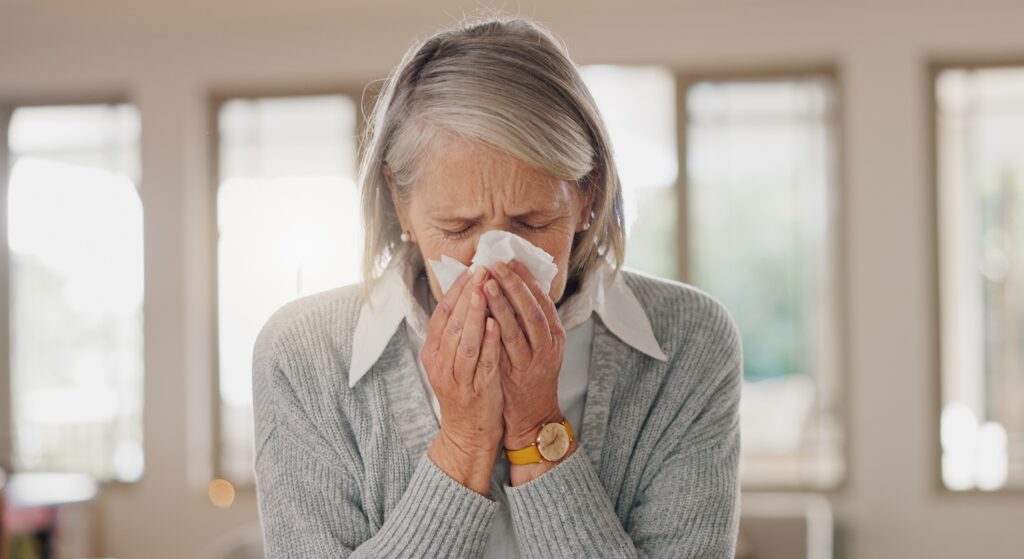
Respiratory infections affect seniors much more severely than the rest of the population. According to the Ministry of Health and Social Services (MSSS), Quebec records an average of more than 6,000 hospitalizations for the flu each year, half of which are among people aged 75 and older, as well as nearly 300 annual deaths attributable to the flu, 80% of which occur among people aged 75 and older who have a chronic illness or live in a long-term care facility (CHSLD). The good news: vaccination, good hygiene, and certain lifestyle habits can effectively reduce this risk. MSSS
Why the Immune System Weakens with Age
Over the years, the immune system undergoes a gradual transformation known as immunosenescence. The production of new immune cells slows down, the response to infectious agents becomes slower and less precise, and a low-grade inflammatory state sets in.
In practical terms, this means three things: older adults are more susceptible to infections, it takes them longer to fight them off, and complications—such as pneumonia or exacerbations of heart or lung disease—occur more frequently. The MSSS is clear on this point: complications from infections caused by respiratory viruses occur in more than 90% of cases among people aged 75 and older or among people of any age with a chronic disease. MSSS
Vaccination: The Most Effective Protective Measure
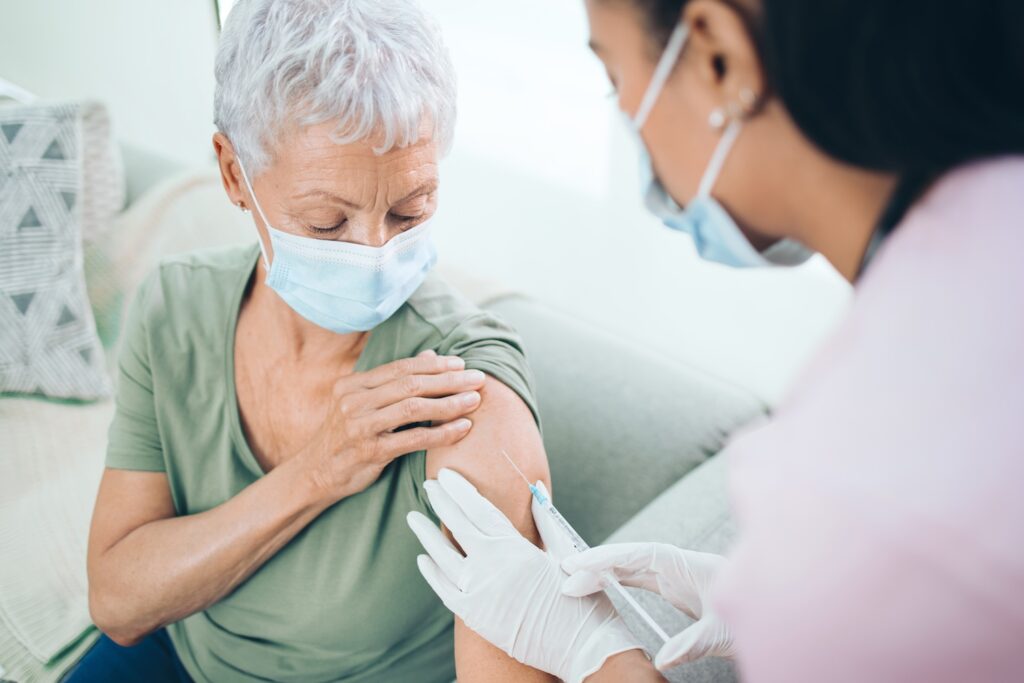
Vaccination remains the most effective preventive measure for seniors. It is not only intended to prevent illness; it is also intended to prevent hospitalization, the resulting loss of physical function, and death.
Three Viruses, Three Vaccines
In Quebec, three respiratory viruses warrant vaccination among older adults: influenza (the flu), COVID-19, and respiratory syncytial virus (RSV). The Quebec Immunization Committee estimates the flu vaccine’s effectiveness at about 40 to 50% in preventing severe infection—a figure sometimes considered modest, but one that accounts for half of the hospitalizations prevented among a vulnerable population. Quebec National Institute of Public Health
The flu vaccine is offered free of charge through the Quebec Influenza Immunization Program (PIIQ), with priority given to those most at risk of complications as well as their close contacts. The RSV vaccine, on the other hand, is reserved for specific target groups: people aged 60 and older living in long-term care facilities (CHSLDs) or intermediate care facilities, and people aged 75 and older residing in private seniors’ residences (RPAs) in categories 3 and 4. CIUSSS de la Capitale-Nationale
A coverage issue, not just one of availability
The main obstacle is no longer access. Quebec’s national director of public health summed it up this way in 2026: the vaccination rate is below 60% among those aged 75 and older, while the target is 80%. Talking to an elderly loved one about vaccination, accompanying them to their appointment, or helping them book an appointment on Clic Santé is therefore a concrete act of care. Radio-Canada
Summer is the right time to discuss this calmly, outside the anxiety-inducing context of flu season.
Preventive Measures That Make a Difference
Hand Hygiene, Above All
Respiratory viruses are widely transmitted through hands and surfaces. Washing hands with soap and water for 20 seconds, or using hand sanitizer, remains the most effective measure. Key times: when you get home, before meals, after blowing your nose, and after touching doorknobs or handrails.
Respiratory etiquette and visitor precautions
Cough into the crook of your elbow, dispose of tissues immediately, and ventilate rooms. Most importantly: a family member or friend with a cold should postpone their visit or wear a mask. Most outbreaks in senior living facilities begin with a visitor who thought they were “just a little under the weather.” The hygiene and respiratory etiquette measures adopted during the pandemic are truly helping to reduce the spread of these infections. MSSS
Strengthening Your Natural Defenses Every Day
No single food or supplement can “boost” the immune system on its own. It is a combination of healthy habits that supports its function.
Adequate protein intake.
Antibodies and immune cells are made from protein. However, appetite and protein intake often decrease with age.
Spreading protein (eggs, legumes, fish, dairy products) across three meals is more effective than a single large portion.
Sleep.
It is during sleep that the immune response is consolidated. Chronic fragmented sleep measurably weakens the body’s defenses.
Regular physical activity.
Daily walking, even for a short time, improves the circulation of immune cells and preserves lung capacity.
Hydration.
The mucous membranes of the nose and throat form the first physical barrier against viruses. When dehydrated, they are less effective at filtering. The sensation of thirst diminishes with age: you should drink out of habit, not because you’re thirsty.
Oral hygiene.
Often overlooked, it plays a direct role in preventing pneumonia in older adults, as oral bacteria can be inhaled into the lungs.
Social connections.
Chronic loneliness is associated with a weakened immune system. Maintaining an active social network isn’t just good for morale—it’s a key factor in immune health.
When to Seek Immediate Medical Attention
In older adults, a respiratory infection doesn’t always present with a fever. Seek medical attention immediately, or call 811, if you notice:
- Confusion, disorientation, or unusual drowsiness
- Difficulty breathing, rapid breathing, bluish lips
- Sudden loss of appetite or refusal to drink
- A new fall or loss of balance
- Persistent fever, or conversely, an abnormally low temperature
In older adults, a sudden change in mental status is often the very first sign of an infection. It should never be automatically attributed to aging.
FAQ: Respiratory Infections and Immune Health in Older Adults
Make sure your child receives the vaccines for which they are eligible, reschedule appointments if you have symptoms, wash your hands upon arrival, and wear a mask during periods of high viral circulation. Notify the staff of any sudden changes in your child’s condition.
Yes. Hospitalization for a respiratory infection often leads to prolonged bed rest, muscle wasting, and rapid loss of physical fitness. That is why prevention—including vaccination, good hygiene, and staying active—protects both independence and lung health.
Mandala Sante's Offerings in Senior Homes :


Articles