

Articles
Protein and Vitamin D: The Essential Duo for Seniors’ Independence
- Category : Private senior homes, Senior home living
- Estimated reading time : 12 minutes
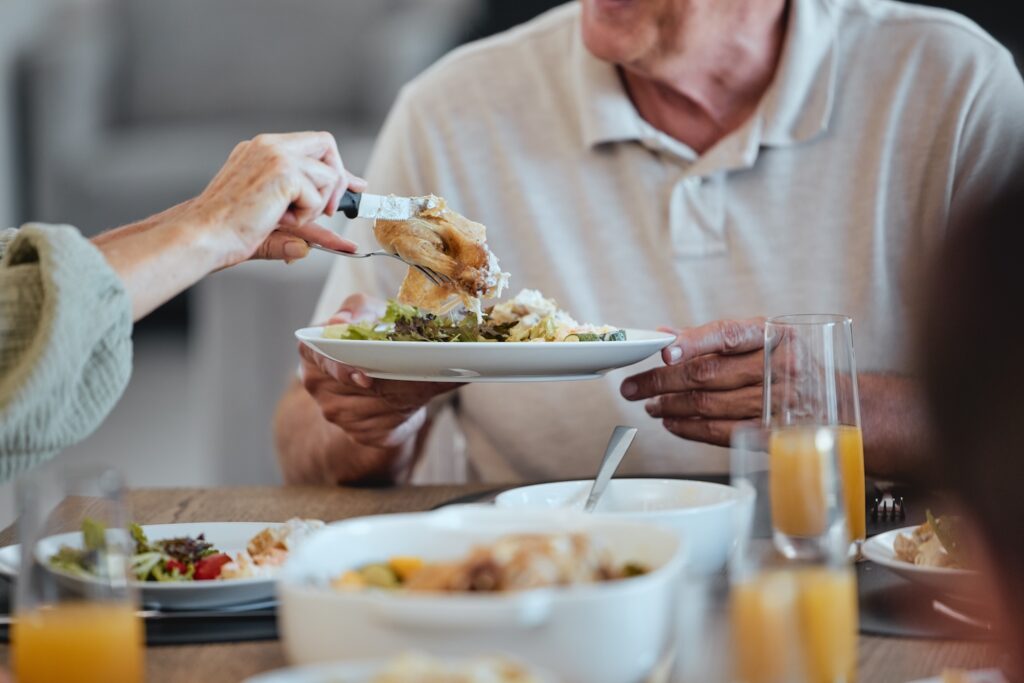
Nutrition plays a key role in maintaining functional independence among older adults. This informative article explores the vital importance of protein in countering sarcopenia (muscle loss) and the crucial role of vitamin D in preventing falls and supporting the immune system. Discover practical strategies to optimize nutrition for older adults without increasing meal portions, thereby promoting healthy aging.
Nutrition: An Often Underestimated Pillar of Independence
As we age, the human body’s nutritional needs do not decrease; they change and become more demanding. Contrary to a persistent popular belief, an older adult often requires a higher nutritional density than an active 40-year-old to maintain basic vital functions. Eating is no longer just a matter of pleasure or satiety; it becomes the first line of defense against functional decline and loss of independence.
Many physiological changes occur with aging: a decrease in taste perception, sometimes slower digestion, and, above all, reduced metabolic efficiency in converting nutrients into energy or tissue. That is why every bite must count. For families, understanding these needs is key to helping a loved one remain independent for as long as possible in their own environment.
The Challenge of Sarcopenia: Preserving Muscle Mass
Sarcopenia is the medical term for the progressive and widespread loss of muscle mass, strength, and function associated with aging. This phenomenon is one of the main causes of frailty in older adults. It is not inevitable, but a biological process that can be significantly slowed through evidence-based dietary choices.
Why Do Muscles Wither with Age?
Several factors contribute to this muscle decline. First, the body develops a certain “anabolic resistance”, meaning it needs more protein than before to trigger muscle building. Second, a decrease in physical activity (sometimes due to joint pain) accelerates this loss. Finally, mild chronic inflammation, often present in older adults, can literally “consume” muscle tissue to generate energy.
Without adequate muscle mass, simple yet essential tasks—such as getting up from a chair without assistance, climbing stairs, opening a jar, or maintaining balance on a slippery surface—become perilous challenges. Muscle strength is directly linked to the prevention of serious injuries.
The Crucial Importance of Protein: The Building Blocks
Proteins are the body’s “workers.” They repair tissues, produce hormones, and support the immune system. For older adults, the recommended protein intake is often 25% to 50% higher than for younger adults.
- The importance of distribution: Scientific research shows that to stimulate muscle growth, it is better to consume about 25 to 30 grams of protein at each meal, rather than concentrating the entire intake at dinner. This allows the body to remain in “building mode” all day long.
- Animal sources: These are considered “complete” because they contain all the essential amino acids, including leucine, which acts as a trigger for muscle growth. They are found in eggs, poultry, fish, and dairy products.
- Plant-based sources: Tofu, legumes (lentils, chickpeas), nuts, and seeds are excellent alternatives that also provide fiber, which is essential for digestive health.
Vitamin D: The Guardian of Bone Health and Immunity
In Quebec, vitamin D is a major concern. Since we synthesize this vitamin primarily through skin exposure to sunlight, our winters lead to near-universal deficiency unless it is compensated for through diet or supplementation.
Fall Prevention and Bone Health
Vitamin D plays a dual and interdependent role. On the one hand, it enables the body to absorb calcium from food, thereby ensuring bone strength and preventing osteoporosis. On the other hand, it has a direct impact on muscle fibers and the nervous system.
Rigorous clinical studies have shown that optimal vitamin D levels improve reaction time and leg strength. For seniors, this means a greater ability to “catch themselves” when they stumble, thereby drastically reducing the risk of hip fractures.
Support for the Immune System
Beyond physical structure, vitamin D is a powerful immune modulator. It helps white blood cells identify and fight pathogens. For older adults, maintaining a robust immune system is the first line of defense against seasonal infections that can severely weaken overall health.
Practical strategies: optimizing without increasing portion sizes
One of the biggest challenges is the natural decline in appetite, sometimes called “age-related anorexia.” The stomach becomes less elastic, and the feeling of fullness sets in more quickly. The goal, therefore, is not to force the person to eat larger portions, but to leverage nutritional density.
- The enrichment techniqueRather than adding a new dish, increase the nutritional value of what is already being eaten:
- In soups: Add powdered milk, grated cheese, or pureed legumes.
- In vegetable purées: Incorporate a beaten egg or nut butter.
- In desserts: Opt for Greek yogurt (twice as high in protein as regular yogurt) topped with chia or hemp seeds.
- Restoring the Importance of BreakfastTraditionally, the Quebec breakfast is high in carbohydrates (toast, jam, cereal), but very low in protein. This is a metabolic mistake for seniors. Adding cheese, an egg, peanut butter, or ham first thing in the morning helps stop the muscle breakdown that occurred overnight.
- Strategic SnacksIf main meals are difficult to finish, snacks become vital opportunities. A piece of cheese, a handful of almonds, or a glass of soy milk between meals can make all the difference in daily protein intake.
Hydration: The Invisible Supplement
You can’t talk about nutrition without mentioning water. As we age, the thirst mechanism becomes less sensitive. An older adult may be dehydrated without ever feeling thirsty. However, mild dehydration thickens the blood, strains the heart, and can cause sudden mental confusion, which is often mistaken for cognitive impairment. Drinking small amounts throughout the day is a golden rule.
FAQ: Frequently Asked Questions from Families About Nutrition and Aging
This is a sign that their metabolism is changing or that their body is no longer processing nutrients effectively. It is possible that their nutritional needs have increased due to an underlying medical condition or that intestinal absorption has decreased. A consultation is recommended to determine the cause, but increasing protein intake is often the first evidence-based recommendation.
Vitamin D is generally very safe, but since it is fat-soluble (it accumulates in body fat), it is important to follow the doses recommended by a healthcare professional. In Quebec, most experts agree that daily supplementation is recommended, especially from October through May.
Certain signs are unmistakable: persistent fatigue, slow healing of minor wounds, visible muscle wasting in the arms or legs, or recurring infections. A simple test involves observing whether the person has increasing difficulty getting up from a deep chair without using their arms.
Many older adults avoid red meat because it’s hard to chew or digest. Eggs are the perfect source of protein: they’re inexpensive, easy to prepare, and highly digestible. Fish, silken tofu (in smoothies), cottage cheese, and red lentils (which break down in soups) are excellent options.
Mandala Sante's Offerings in Senior Homes :

Articles