

Articles
Nurturing Memory and Connection: The Importance of Social Stimulation in Midlife
- Catégories : Private senior homes, Senior home living
- Temps de lecture : 10 minutes
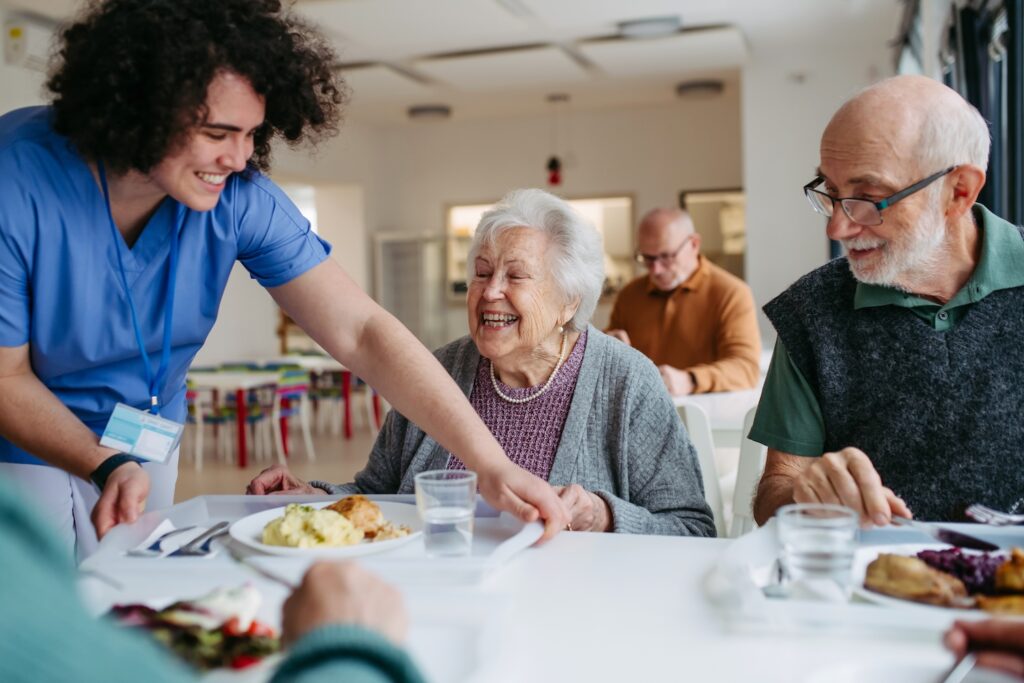
The Social Brain: Why Interaction Is a Form of Care
Neuroscience is clear: the human brain is a social organ. For a senior, striking up a conversation, recalling a shared memory, or participating in a group game activates complex neural networks that would otherwise remain inactive.Cognitive Reserve
Regular social interaction contributes to what experts call “cognitive reserve.” This refers to the brain’s ability to improvise and find alternative pathways to function despite damage caused by aging or illness. In RI, every social activity acts as a workout for this reserve.The Impact on Stress and Inflammation
Chronic isolation increases cortisol levels (the stress hormone), which can cause systemic inflammation harmful to neurons. Conversely, a rich social environment promotes the secretion of oxytocin and dopamine, hormones linked to pleasure and relaxation, thereby protecting the cardiovascular and immune systems.Types of Daily Stimulation at Mandala Santé
Stimulation should not be viewed as a chore, but as an integral part of daily life. We prioritize a multidimensional approach:- Stimulation through reminiscence: Using photos, period music, or vintage objects to evoke memories. This reinforces the resident’s sense of identity and facilitates communication.
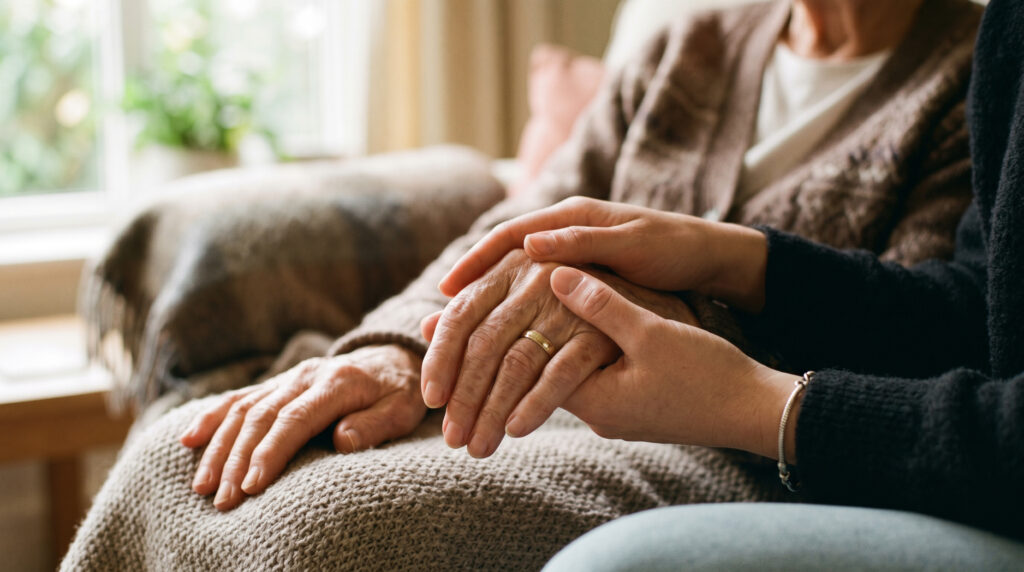
- Sensory stimulation: For residents with more significant loss of independence, stimulation occurs through the senses. This can involve stimulating the sense of smell during meal preparation in the unit, soothing touch during animal-assisted therapy sessions, or handling natural textures. These stimuli help ground the person in the present moment and reduce anxiety related to a loss of bearings.
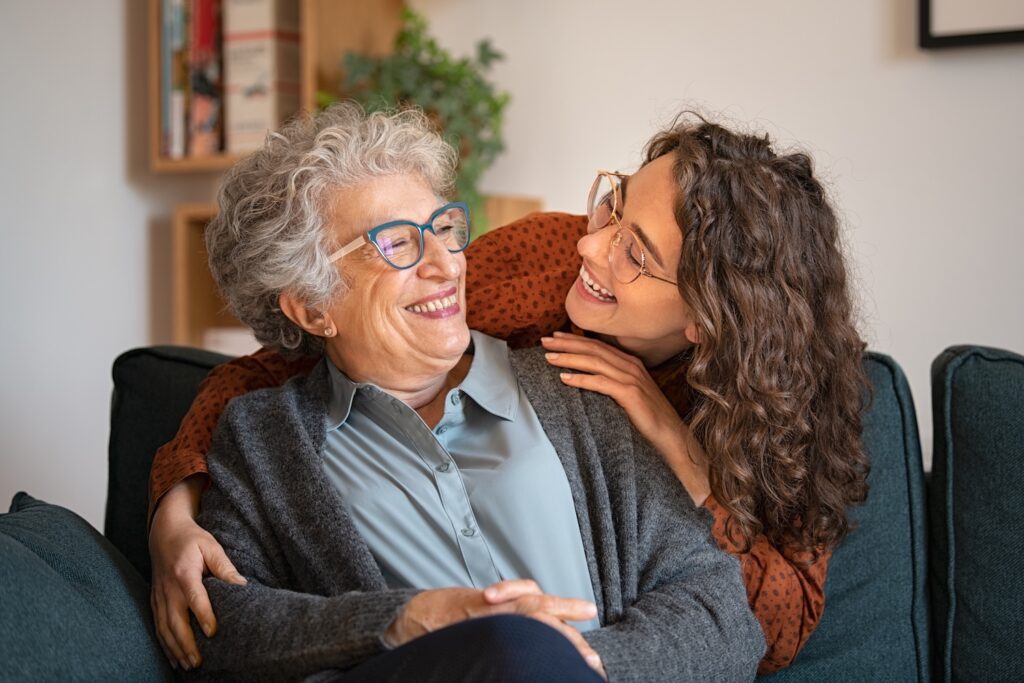
- Intergenerational activities: In 2026, projects connecting seniors with young people (students, volunteers) are exceptional motivators, restoring a sense of social purpose and the passing on of knowledge.
The pivotal role of family caregivers
Family is not just a visitor; they are an essential care partner. Your presence in long-term care provides stimulation that no one else can offer: emotional and identity-building stimulation. How to make the most of your visits? Rather than simply checking on physical health, try to bring in an external element that stimulates the mind:- A visual aid: Bring a tablet or a photo album to discuss a news story or a recent family event.
- The power of music: Playing songs that were meaningful during the resident’s youth can open up surprising channels of communication, even for people with advanced cognitive impairments.
- An object of curiosity: Bring a simple object (a seashell, a textured fabric, a flower) to elicit an immediate sensory response.
Environmental Design: A Social Facilitator
An effective Intermediate Resource must be designed to encourage chance encounters and break down physical barriers:- Lighting and acoustics: Good hearing and clear vision are essential for participating in a conversation. We pay particular attention to reducing background noise (televisions, carts) to facilitate verbal exchanges.
- Circular Spaces: Furniture arrangements that promote eye contact facilitate the inclusion of residents who are more shy or have speech difficulties.
Technology and Cognition in 2026
We now integrate appropriate technological tools that serve as a bridge to break the monotony. Whether through the use of virtual reality for virtual travel or simplified cognitive gaming apps on tablets, technology stimulates curiosity and maintains mental engagement, regardless of the level of independence. Life at Ressource Intermédiaire should not be seen as a withdrawal from society, but as integration into a new community. At Mandala Santé, every interaction matters. By nourishing the mind and heart, we protect the dignity of our seniors and keep their inner flame alive, season after season.Frequently Asked Questions (FAQ)
Never force the issue. Often, simply observing is the first step toward participation. We encourage the resident to sit nearby. Sometimes, a one-on-one approach (where a staff member talks with them privately) helps build the trust needed to join the group later.
Yes. There is a risk of overstimulation, especially among people with Alzheimer's disease. Signs include agitation, irritability, or sudden withdrawal. Our staff is trained to adjust the intensity of activities based on each person's fatigue and tolerance.
Generally speaking, late morning is when alertness is at its peak. The afternoon is often a better time for gentle sensory stimulation or informal socializing over coffee.
In residential care, we use regular observation checklists. Stabilized mood, improved sleep quality, and a reduction in agitated behavior are clear signs that the social environment is having a positive effect.
Mandala Santé's offerings in Senior Homes :

Articles